
Your route in

Residency, without the runaround.

Whatever your passport, one of four well-trodden routes will fit. Below is what each actually requires, how long it takes, and who it suits: no mystery, no folklore.

~2 monthsFast-track PR
€300kInvestment threshold
3 yearsDigital Nomad Visa
8 yearsStandard path to citizenship
Contemporary villa with a pool
Investors · Non-EU

Permanent residency by investment

The fast-track route under Regulation 6(2): invest in new residential property and receive permanent residency for your whole family, with the Migration Department aiming to decide within two months. No language test, no points system, and a famously light physical-presence requirement.

  • €300,000 + VAT in new residential property from a developer
  • Secure annual income of €50,000+ from abroad (plus increments for dependants)
  • Clean criminal record; funds from outside Cyprus
  • Visit once every two years to maintain the permit

€300k + VAT · 2-month target · spouse and children included
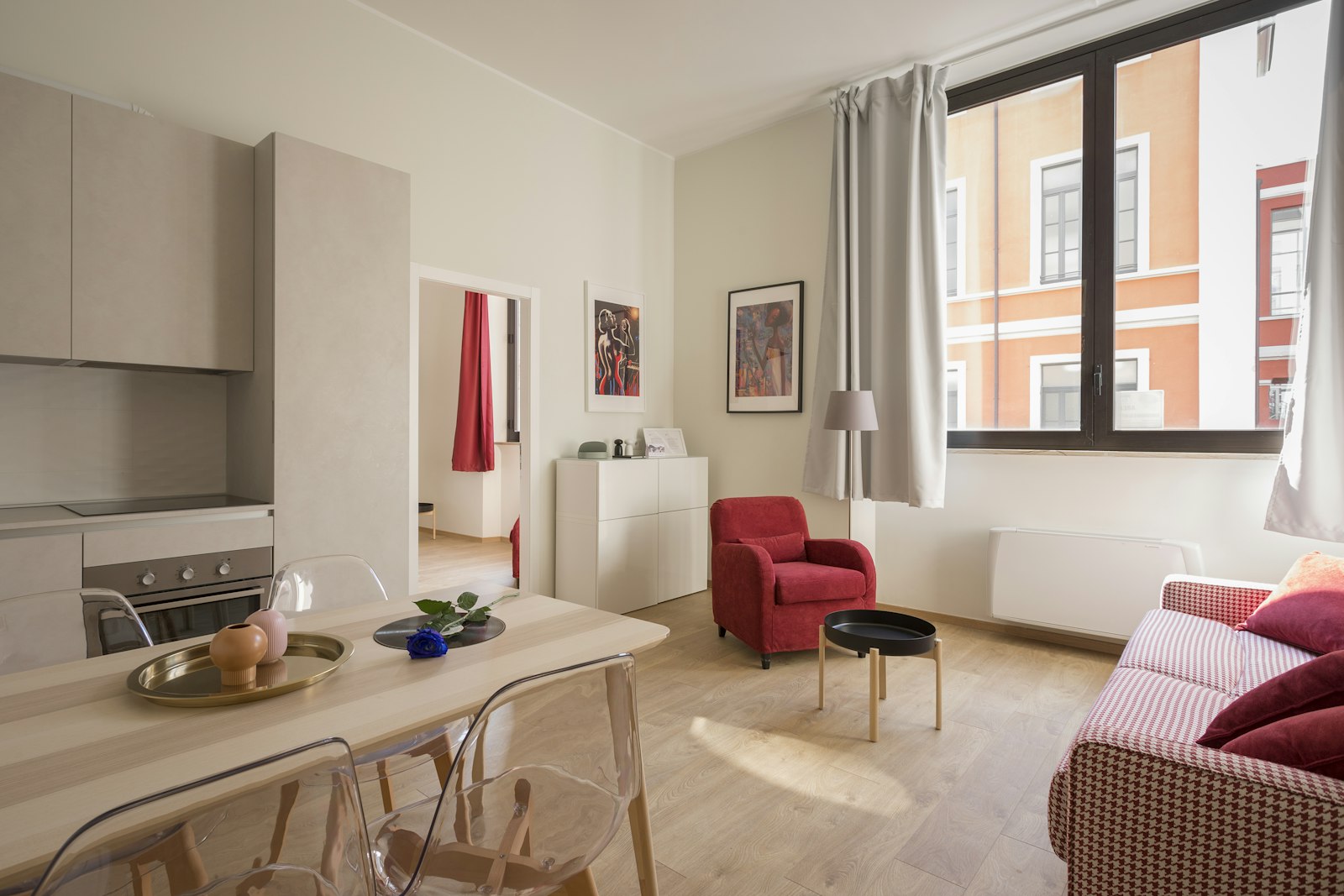
Apartment living space set up for remote work
Remote workers · Non-EU

Digital Nomad Visa

For non-EU professionals working remotely for employers or clients outside Cyprus. Live on the island legally while your income stays foreign, and if you cross the tax-residency thresholds, the non-dom regime is available to you too.

  • Remote work only: no local employment
  • Net income of €3,500+ per month, evidenced
  • Health insurance and clean record
  • One year, renewable for two more; family can join

€3,500/mo income · up to 3 years

Open-plan living space
Founders · Any passport

Relocate your company

Register a Cyprus entity through the Business Support Centre, which took in the Business Facilitation Unit in 2025, and the state fast-tracks the rest: residence and work permits for you and key international hires, family reunification included. This is the route the Limassol tech scene was built on.

  • Cyprus company with genuine local presence: office and activity
  • Work permits for third-country staff at €2,500+/month salaries
  • Incorporation in days; permits in ~1 month
  • Path to long-term residence for the whole team

15% corporate tax · staff permits · BSC fast-track

Bedroom in a modern home
EU citizens

Just turn up

Freedom of movement makes this the simplest route in the book: arrive, register, live. The real work is on the tax side: planning your exit from your current system cleanly and timing your Cyprus tax residency under the 60-day or 183-day rule.

  • Register for a residence certificate (MEU1) within 4 months
  • No investment or income thresholds beyond self-sufficiency
  • Tax residency via the 60-day or 183-day rule
  • Non-dom benefits apply from day one of tax residency

Registration only · non-dom from year one

Born in the UK to Cypriot parents? There's a fifth route that's already yours: read the complete British Cypriot guide to citizenship by descent, non-dom status and moving back. Moving from the UK without Cypriot heritage? See our complete UK-to-Cyprus guide for the routes, costs and exit-tax planning that apply to you specifically.

At a glance

Which route fits you?

RouteWho it's forKey requirementTime to approval
Residency by investmentNon-EU investors and families€300k + VAT new property2-month target
Digital Nomad VisaNon-EU remote workers€3,500/mo foreign income~5–7 weeks
Company relocation (Business Support Centre)Founders and their teamsOperating Cyprus entity~1 month
EU registrationEU/EEA citizensSelf-sufficiencySame day

Timelines reflect typical processing as at 2026 and vary with caseload and completeness of documents. Long-term residence can lead to citizenship by naturalisation in time, on the timelines below. Immigration rules change; verify current requirements before acting.

Still not sure which?

The route finder asks about your passport, your family and what you will live on, only as far as your answers make relevant, then names the one route that fits.

Find my route
The paperwork, honestly

What the folder actually contains

Every route runs on the same core documents, apostilled and translated. Assembling them before you apply is the single biggest factor in hitting the fast-track timelines: it's the first thing we do together, and we maintain the checklist so nothing expires mid-application.

And the long game: lawful residence can lead to citizenship by naturalisation, after eight years of lawful residence as standard, or four years with B1 Greek (five with A2) on the fast track for highly skilled employees of eligible companies. An EU passport is a realistic horizon, not a brochure promise.

The core checklist

  • Passports, plus criminal record certificates, apostilled, under 6 months old
  • Proof of income or funds: bank letters, statements, audited accounts
  • Marriage and birth certificates for dependants, apostilled and translated
  • Property contract or lease: your Cyprus address underpins every route
  • Health insurance until GESY registration takes over
  • Route-specific extras: employer letters, company documents, deposit evidence
Asked on every residency call

Before you commit to a route

No. Renting is enough for every residency route except permanent residency by investment, which is the one route built around a €300,000 purchase. An EU citizen registering for the yellow slip needs an address, and a rental agreement satisfies that just as well as a title deed. The 60-day tax residency test likewise asks for a permanent home in Cyprus, owned or rented. Most people rent for a first year and buy later, once they know which district they actually want.
On the investment route, yes: spouse and children under 18 (and dependent students up to 25) are included in one application. The Business Support Centre company route covers family reunification for staff. Digital nomads can bring spouse and children, who receive residence but not work rights. We map every family member into the plan before filing anything.
Generally yes: applications don't lock your passport, and fast-track routes resolve in weeks anyway. What matters more is the tax calendar: your days in and out of Cyprus in year one decide when tax residency starts, so we plan travel around the 60-day or 183-day thresholds from the outset.
The property must be held to keep the permit: sell without replacing it and the residency lapses. Most families treat it as their home or a rental asset rather than dead capital: it's a real house in a rising market, not a fee. Replacing one qualifying property with another is permitted.
Three things cause nearly every delay: documents that expire while others are being gathered, funds that can't be cleanly traced to their source, and property bought before a lawyer checked the title. All three are preventable with sequencing, which is most of what you're paying an adviser for.

Tell us your passport and your plans. We'll map the cleanest route.

Every application we handle end to end: forms, translations, appointments and the hundred small things in between.

Sources and verification

Checked against primary legislation and official publications on 5 August 2026.

Published processing times and real processing times are not the same thing in Cyprus, and the gap is widest on the routes that are not investment-led. Where we give a timeline we say what it is based on. This page is general information, not tax, legal, immigration or investment advice, and individual circumstances change the answer.